
Google
A Technical Look at Wireless Communications and Device Integration

A Technical Look at Wireless Communications and Device Integration

Wireless technology has transformed the way you connect and interact with your devices every day. Understanding wireless communications helps you grasp how information is transmitted without the need for cables, thereby improving convenience and mobility. As you explore the integration of various wireless communication devices, you’ll discover how they work together seamlessly to support your digital lifestyle. At Skylink Wifi, this insight allows us to provide you with the best solutions for the technology you use, optimizing your setup for better performance and reliability.


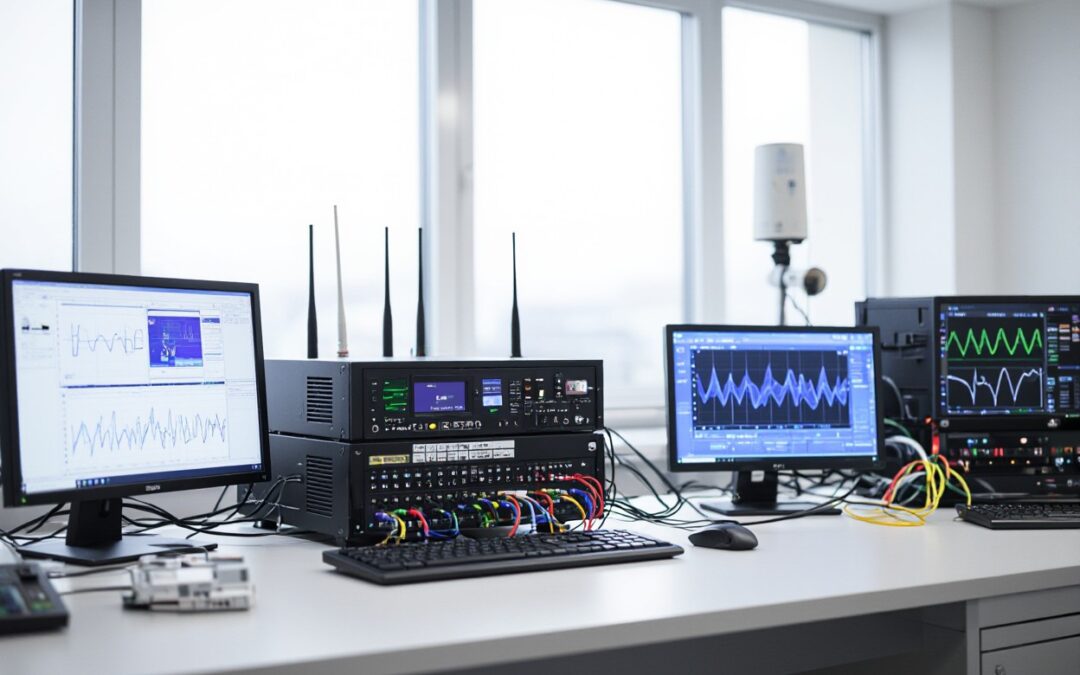
wireless communications and device integration overview mtv

The Invisible Framework: Anatomy of Wireless Communication

Behind every seamless connection between wireless communication devices lies a complex framework of invisible processes. Your data isn’t just floating in the air; it’s carried by carefully coordinated components, including antennas, transceivers, and digital signal processors. These parts work together to convert digital information into electromagnetic waves and back again, orchestrating the reliable flow of information without the need for physical wires. Understanding this framework helps you appreciate how your gadgets communicate effortlessly, even in crowded environments filled with competing signals and noise.

Signal Transmission: From Waves to Data

The journey from raw data to wireless transmission begins with modulation, where your device transforms digital bits into radio waves. Techniques such as Frequency Shift Keying (FSK) or Orthogonal Frequency Division Multiplexing (OFDM) shape these waves to carry multiple bits per signal efficiently. Upon reaching the receiver, demodulation extracts data from these waves, reconstructing the original message. You encounter these processes thousands of times a day, whether streaming video on Wi-Fi or making calls over cellular networks, each relying on advanced signal transmission methods to preserve clarity and speed.

Protocols and Standards: The Backbone of Connectivity

Wireless communication devices rely on standardized protocols to communicate using a common language across networks. For example, Bluetooth’s use of the IEEE 802.15.1 protocol allows different devices to pair and share data securely within short ranges. Meanwhile, Wi-Fi standards like IEEE 802.11ax (Wi-Fi 6) optimize throughput and reduce latency by managing how data packets are sent and received. These protocols define everything from frequency bands to error correction methods, enabling devices from different manufacturers to interact smoothly and reliably with one another.
These standards are continually evolving to meet growing demands for speed, security, and range. Take 5G NR (New Radio), the cellular protocol standard designed for next-level performance, which supports massive machine-type communications for IoT devices alongside enhanced mobile broadband. Implementation of these protocols also dictates power consumption, interference management, and spectrum efficiency. As a user, their seamless orchestration means you rarely worry about compatibility or connection quality, even as hundreds of devices compete on the same airwaves.


Bridging Devices: The Art of Integration

Wireless communications become truly powerful when multiple wireless devices work together seamlessly. Integration involves harmonizing protocols, synchronizing data streams, and ensuring consistent user experiences across platforms. You’ll find that building a network of interoperable devices requires not only hardware compatibility but also addressing concerns related to software, security, and latency. Solutions must adapt to varied environments, from home automation systems linking smart sensors to enterprise networks managing IoT devices. This integration transforms isolated gadgets into a cohesive ecosystem, enhancing productivity and user engagement.

Challenges in Cross-Device Compatibility

Cross-device compatibility often stumbles on differing standards and protocols. Devices from various manufacturers may employ Bluetooth, Wi-Fi, Zigbee, or proprietary protocols that don’t inherently sync. You might encounter issues like incompatible data formats, inconsistent signal ranges, or conflicting security policies. Even when devices support common wireless standards, firmware variations can cause communication barriers. These hurdles lead to increased complexity in managing your device network, making seamless integration a technical balancing act requiring careful planning and troubleshooting.

Solutions Through APIs and Middleware

APIs and middleware act as translators and coordinators between disparate wireless communication devices. You can leverage these software layers to abstract underlying hardware differences, standardize data exchange, and enable interoperability. Middleware platforms, such as MQTT brokers or RESTful APIs, facilitate real-time communication, device management, and data aggregation. Implementing these solutions can streamline integration workflows, reduce development time, and enable your devices to share intelligence effectively across different wireless protocols and systems.
Delving deeper, middleware frameworks such as Eclipse IoT or Azure IoT Hub provide extensive libraries and tools to connect diverse wireless devices without needing custom drivers for each one. These platforms manage device authentication, message queuing, and data translation, allowing you to focus on application logic rather than low-level connectivity. APIs also expose uniform interfaces to developers, promoting scalability and simplifying updates. By adopting such solutions, your wireless communication devices integrate more fluidly, offering resilience and adaptability in dynamic environments.


The Role of IoT: A Network of Networks

IoT acts as an expansive ecosystem where countless wireless communication devices connect to form a dynamic network of networks. This layered integration allows data from smart sensors, wearables, and home automation devices to interact seamlessly across different platforms. With billions of connected endpoints expected by 2025, the scalability and interoperability of IoT significantly enhance your ability to gather actionable insights, automate processes, and improve efficiency across various industries, including healthcare, manufacturing, and urban infrastructure.

Interconnected Devices: Revolutionizing Daily Life

Your daily routine benefits from interconnected devices that communicate over wireless protocols, such as Wi-Fi, Bluetooth, and Zigbee. Smart thermostats automatically adjust temperatures using environmental sensors, while wearable fitness trackers continuously monitor your health metrics. These devices transform ordinary objects into intelligent tools that anticipate needs and respond in real-time, ultimately delivering convenience, energy savings, and enhanced safety tailored to your lifestyle.

Security Risks and Mitigations in IoT

Security vulnerabilities inherent to wireless communication devices expose IoT networks to risks, including unauthorized access, data breaches, and device manipulation. Attack vectors include weak authentication, unencrypted transmissions, and outdated firmware, which hackers exploit to disrupt operations or steal sensitive information. Implementing robust encryption standards, regular software updates, and multi-factor authentication can significantly reduce these threats and protect your connected environments.
Delving deeper, IoT security challenges stem from the device diversity and network complexity, creating multiple attack surfaces. For example, the Mirai botnet in 2016 exploited poorly secured IoT devices to launch massive DDoS attacks, demonstrating the scale of potential damage. Effective mitigation strategies include adopting zero-trust architectures, segmenting networks to isolate critical systems, and continuous monitoring using anomaly detection algorithms. Your proactive approach combining these methods ensures the integrity and confidentiality of data transmitted across wireless communication devices in your IoT ecosystem.


The Future Landscape of Wireless Technology

Wireless communications are evolving rapidly, with smarter, faster wireless communication devices shaping how you connect and interact. Networks are becoming more adaptable, capable of handling a diverse range of applications, from IoT sensors to augmented reality. The integration of advanced hardware and software accelerates end-user experiences, reducing latency and boosting reliability. As this landscape evolves, expect seamless interoperability across multiple frequency bands, along with the emergence of novel protocols designed explicitly for massive device fleets and extreme data demands.

5G and Beyond: The Next Frontier

5G technology has set a new benchmark, delivering speeds up to 10 Gbps and ultra-low latency under 1ms, which transforms your wireless experience. Research into 6G is underway, focusing on terahertz frequencies that could push data rates to 1 Tbps with improved energy efficiency. These advancements promise enhanced mobile broadband, ultra-reliable low-latency communication, and massive machine-type communication, expanding use cases in autonomous driving, remote surgery, and immersive virtual reality.

Emerging Trends: AI and Edge Computing in Wireless

Artificial intelligence and edge computing are driving smarter wireless communication devices by processing data closer to your device, which reduces latency and frees up bandwidth. AI algorithms optimize network traffic, predict failures, and dynamically manage resources to enhance overall system performance. Together, they enable real-time analytics and adaptive protocol management, supporting applications such as real-time video analytics and autonomous systems with enhanced efficiency and responsiveness.
Delving deeper, AI integrated within wireless communication devices leverages machine learning models to continuously analyze network conditions, enabling predictive maintenance and self-optimizing networks. Edge computing complements this by distributing computational tasks to local nodes near data sources, minimizing reliance on centralized cloud servers. For instance, smart cities deploy edge-AI enabled wireless nodes to monitor traffic patterns and energy consumption in real time, adjusting signals and resources instantly. This synergy enhances your device’s ability to handle complex tasks locally, yielding faster decisions and reduced communication bottlenecks across dense networks.

 

wireless communications and device integration overview jqr

Practical Strategies for Effective Integration

Seamlessly merging wireless communications into your existing system demands a strategic approach tailored to the unique characteristics of wireless communication devices. Prioritize modular architecture to accommodate evolving standards like 5G or Wi-Fi 6. Optimize network protocols by selecting appropriate frequency bands and minimizing interference. Focus on power management to extend device lifespans, especially in IoT setups. These strategies enhance reliability while reducing latency and operational costs, enabling you to maximize your investment in wireless technology efficiently.

Best Practices for Development and Deployment

Use standardized communication protocols such as MQTT and CoAP to ensure interoperability among wireless communication devices. Design your applications with scalability in mind, allowing for future device additions without major rewrites. Implement security layers like AES encryption and mutual authentication during deployment to safeguard data in transit. Regularly update firmware over-the-air (OTA) to patch vulnerabilities, and document network topologies to streamline maintenance. Such standards-driven practice reduces risks and accelerates rollout.

Testing and Troubleshooting for Optimal Performance

Integrate continuous testing phases using simulation tools that mimic wireless signal conditions, such as multipath fading or interference, to identify weak points before full deployment. Employ spectrum analyzers and protocol analyzers to capture real-time data, helping you detect packet loss or latency spikes. Establish a detailed logging system for device metrics to aid in long-term troubleshooting. Quick identification and resolution of issues prevent downtime and maintain communication integrity.
Expanding on troubleshooting, you can leverage automated diagnostic frameworks to isolate faults within wireless communication devices systematically. For example, network emulators enable you to replicate complex environments, such as urban canyons or heavy industrial zones, where signals often degrade. Combining test results with machine learning algorithms provides predictive maintenance insights, highlighting devices that are at risk of failure. By pairing these tools with manual inspections, you can maintain a high-performance wireless network that adapts to evolving conditions.


Summing up

Drawing together what you’ve learned about wireless communications and device integration, you can see how these technologies work together seamlessly to keep your devices connected and efficient. Understanding wireless communication devices helps you appreciate the complexities behind signals, protocols, and interoperability. Armed with this knowledge, you can make better decisions when choosing, setting up, or troubleshooting your wireless systems, ensuring your network runs smoothly and meets your personal or professional needs with the support of Skylink Wifi.


FAQ on Wireless Communications and Device Integration

Q: What is wireless communications and why is it important?

A: Wireless communications refers to the transfer of information between two or more points without the use of physical wires or cables. It allows devices to connect and exchange data over radio waves, infrared, or other wireless technologies. This method is important because it provides flexibility, mobility, and ease of access for various applications, including mobile phones, Wi-Fi networks, and smart home devices.

Q: How do wireless communication devices work together in an integrated system?

A: Wireless communication devices work together by using compatible communication standards and protocols to send and receive data. Integration involves connecting various devices, such as sensors, smartphones, and access points, so they can communicate seamlessly. This interaction is often managed through centralized control systems or cloud services that coordinate data exchange to ensure smooth operation.

Q: What types of wireless communication devices are commonly used in modern technology?

A: Common wireless communication devices include smartphones, tablets, laptops, routers, Bluetooth headsets, smartwatches, and IoT sensors. Each device is designed to communicate using specific wireless standards like Wi-Fi, Bluetooth, Zigbee, or cellular networks (4G, 5G), enabling diverse applications from personal use to industrial automation.

Q: What challenges are involved in integrating wireless communication devices?

A: Challenges in integrating wireless communication devices include ensuring compatibility between different standards, managing interference from other wireless signals, maintaining secure connections to prevent unauthorized access, and optimizing battery life for portable devices. Addressing these issues requires careful planning of network design and the use of robust protocols.

Q: How is the future of wireless communications shaping device integration?

A: The future of wireless communications is moving toward faster, more reliable connections with technologies like 5G and Wi-Fi 6. These advancements will allow for better device integration by supporting higher data rates, lower latency, and increased device density. As a result, wireless communication devices will become more efficient and capable, enabling innovations such as smart cities, autonomous vehicles, and enhanced telemedicine.


Ready to experience the full potential of seamless wireless communications in your home or business? Skylink Wifi offers high-speed internet plans, including residential and business solutions, that leverage advanced wireless technology to provide reliable connectivity. Whether you’re in a rural area that needs robust satellite internet or a bustling city seeking optimized Wi-Fi 6, our services and products for on-the-go connectivity are designed to meet your needs. We serve a wide range of areas across the USA, ensuring you get the best internet experience.

Visit skylink-wifi.com or call us today to discover how our expertly integrated solutions can revolutionize your digital life!


Discover What is IoT Device Management: Ultimate Guide

How Do Cloud Communications Solutions Transform Business?

How Does IOT Product Development Solve Critical Issues?

 

Discover What is IoT Device Management: Ultimate Guide

Discover What is IoT Device Management: Ultimate Guide


IOT Device Management

You may be wondering what IoT device management is and why it plays a crucial role in efficiently handling connected devices. In this comprehensive guide, you’ll learn the essentials of managing IoT devices, from overseeing their operation to ensuring their security. Understanding how to control and maintain your IoT devices smoothly will help you optimize performance and extend the life of your smart systems, a core offering from Skylink Wifi. Stay with us as we break down everything about managing IoT devices, making it easier for you to take charge of your Internet of Things setup.


The Pivotal Role of IoT Device Management in Modern Tech

Understanding what is IoT device management reveals how vital it is for maintaining the seamless operation of countless connected gadgets. Effective device management helps you keep track of devices, deploy updates smoothly, and solve issues before they escalate. As IoT networks expand, managing your IoT devices efficiently becomes the backbone of ensuring reliability, performance, and scalability across smart homes, industrial systems, and urban infrastructure.

Bridging the Connectivity Gap

You encounter challenges when your IoT devices struggle to maintain steady connections, especially across remote or sprawling environments. IoT device management tools help bridge this gap by offering robust network monitoring and automated fallback mechanisms. These features ensure your devices stay connected and responsive, avoiding costly downtime and data loss, which is especially crucial in sectors such as agriculture or logistics, where continuous connectivity drives operational success.

Enhancing Data Integrity and Security

Managing IoT devices extends beyond connectivity to safeguarding the data they generate and transmit. Securely updating firmware, authenticating devices, and encrypting communications protect your IoT network against breaches and data corruption. This layered defense supports compliance with privacy standards and keeps your system trustworthy for both operators and end-users.
Expanding on data protection, you’ll find that maintaining data integrity through IoT device management involves practices such as continuous monitoring for abnormal behavior, automated patch management to address vulnerabilities, and role-based access controls to limit device handling to authorized personnel only. For example, in healthcare IoT systems, these rigorous security measures prevent unauthorized access to sensitive patient data, enabling safe and reliable medical device operations while adhering to regulations like HIPAA.

businessman working in office 2025 02 10 08 57 56 utc 

Navigating the Complex Landscape of IoT Platforms

Understanding what is IoT device management involves exploring a wide variety of platforms designed to help you manage thousands of connected devices efficiently. Each platform offers unique tools and capabilities tailored to different industries or device types, so choosing the right one depends on your specific use case, scalability needs, and security requirements. Delving into these options enables you to streamline operations and maintain control over your growing IoT network without losing sight of device performance and data integrity.

Comparing Leading IoT Management Solutions

Determining how to manage IoT devices effectively involves comparing the top contenders in the industry. Major platforms differ in areas such as ease of deployment, protocol support, integration capabilities, and pricing. Here’s a comparison of some leading IoT management solutions to give you a clear view of each:

Platform Key Features & Strengths
AWS IoT Core Highly scalable, seamless integration with AWS ecosystem, strong security measures, supports millions of devices.
Microsoft Azure IoT Hub Rich analytics, device twin capabilities, support for multiple communication protocols, and robust developer tools.
Google Cloud IoT Powerful data analytics integration, smooth device provisioning, scalable architecture targeted toward global deployments.
IBM Watson IoT Focus on cognitive computing, excellent for IoT AI applications, strong security and device management features.

Evaluating Key Features for Optimal Performance

Maximizing the value of IoT device management depends greatly on the features your platform offers. Key capabilities you should focus on include:


  • Device provisioning and authentication for secure onboarding
  • Real-time monitoring and alert systems
  • Remote firmware updates and patch management
  • Data analytics for actionable insights
  • Scalability to handle device growth efficiently
  • Support for multiple protocols to ensure broad device compatibility

Assume that evaluating these features ensures your IoT infrastructure remains reliable and responsive, improving operational efficiency without sacrificing security.


Detailing the key features further, you benefit from platforms that provide automated device lifecycle management, comprehensive security frameworks including encryption and role-based access control, as well as flexible API support for seamless integration with existing systems. Monitoring dashboards with customizable alerts empower you by highlighting immediate issues. Assume that focusing on these capabilities enables you to build a resilient and scalable IoT environment tailored to your business needs.


  • Automated device lifecycle management
  • Comprehensive security protocols
  • Customizable alert and dashboard systems
  • Extensive API integration options
  • Support for edge computing functionalities


Proactive Maintenance: Keeping Your IoT Devices Responsive

To keep your IoT ecosystem running smoothly, proactive maintenance focuses on anticipating issues before they cause downtime. You ensure devices are continually optimized, reducing failures through timely interventions. This approach combines real-time data analytics with automated alerts, enabling you to respond promptly to irregularities. By integrating predictive models into your IoT device management, you can extend asset lifespans, enhance performance, and minimize costly repairs, ultimately making the management of IoT devices more efficient and effective.

The Importance of Regular Updates and Patches

Firmware updates and security patches serve as the backbone of device reliability and safety in IoT management. Your devices remain protected against emerging vulnerabilities when you promptly deploy updates. Routine patches also enhance functionality, fix bugs, and improve compatibility with network protocols. Neglecting this process can expose devices to cyber threats that compromise sensitive data and disrupt operations. Maintaining a structured update schedule supports seamless integration across your IoT network. It ensures each device performs at its optimal level.

Strategies for Effective Monitoring and Diagnostics

Real-time monitoring tools and diagnostic software form a powerful duo in managing IoT devices. By continuously tracking device health indicators—such as processor load, battery life, and connectivity status—you gain immediate insights into emerging problems. Automated diagnostics can trigger alerts for anomalies, allowing you to intervene early. Data visualization dashboards simplify complex information, helping you make informed decisions quickly. Combining these strategies leads to stronger operational control and faster troubleshooting.
Delving deeper, combining anomaly detection algorithms with historical performance data sharpens your monitoring capabilities, enabling predictive maintenance that significantly cuts downtime. Leveraging AI-driven analytics helps distinguish between normal operational variances and genuine faults, preventing unnecessary interventions. Integrating these systems with your centralized device management platform enables seamless coordination across thousands of endpoints, streamlining the management of IoT devices at scale. This holistic monitoring approach saves resources and enhances overall system resilience.


Scaling Up: Managing IoT Devices Beyond the Initial Setup

Expanding your IoT network means moving past the basics of setup to handling hundreds or thousands of interconnected devices. You’ll need strategies that simplify device onboarding, automate routine updates, and maintain security across diverse hardware. Efficiently scaling helps you manage performance issues and data flow without overwhelming your existing infrastructure. Tools designed for large-scale deployments make it possible to keep tight control over each device from a central platform, allowing you to expand your IoT ecosystem confidently while maintaining reliability and compliance.

Best Practices for Expanding IoT Networks

To effectively grow your IoT network, start by segmenting devices into manageable groups based on location, function, or security level. Automate firmware updates and leverage cloud-based management platforms to reduce manual oversight. Implement strong identity and access controls to prevent unauthorized connections as the network expands. Maintaining detailed logs for each device facilitates troubleshooting and auditing. Prioritizing scalability in your initial design means fewer headaches as you add complexity and numbers to your IoT environment.

Addressing Challenges of Large-Scale Deployments

Scaling your IoT operations introduces challenges such as inconsistent device behavior, network congestion, and security vulnerabilities associated with increased endpoints. Handling these demands requires a robust management strategy that includes real-time monitoring, predictive analytics, and incident response automation. Integrating diverse device types and maintaining firmware compatibility becomes more complex, but it is achievable with centralized control systems. Overcoming these obstacles ensures your growing IoT network stays reliable and secure as you manage thousands of connected devices.
Large-scale IoT deployments often face issues with device heterogeneity, where different manufacturers and operating standards complicate uniform management. Network bandwidth can become strained as data volumes increase exponentially, requiring intelligent routing and edge computing solutions to reduce latency and minimize cloud dependency. Security risks amplify because every new device could be a potential entry point for attacks, so continuous vulnerability assessment and layered defense mechanisms become vital. Investing in scalable, interoperable platforms that automate these tasks enables you to keep these challenges under control while expanding your IoT infrastructure.


The Future of IoT Device Management: Trends to Watch

As you explore what is IoT device management, keeping an eye on future trends helps you plan better. Innovations like AI-driven predictive tools and automated self-healing systems are reshaping how to manage IoT devices efficiently. These trends result in fewer manual interventions and smarter, faster responses to issues, ultimately enhancing device performance and security over time.

Predictive Analytics and AI Integration

Integrating AI with your IoT device management sharpens your ability to predict device failures and optimize operations. Machine learning models analyze data trends from thousands of devices, identifying patterns that are invisible to humans. For example, predictive analytics can signal potential hardware wear, allowing you to schedule fixes before breakdowns occur, saving both time and costs while boosting uptime.

The Shift Towards Automation and Self-Healing Systems

Automation is transforming how you manage IoT devices, with self-healing systems taking center stage. These systems automatically detect faults, isolate problems, and apply corrective actions without human input. This shift not only reduces downtime but also lets you scale your IoT network more confidently while maintaining high reliability and security standards.
Delving deeper, self-healing mechanisms utilize real-time data from your IoT devices, combined with AI algorithms, to react to issues instantly. For instance, if a sensor shows abnormal readings, the system might reboot the sensor, switch to backup components, or adjust configurations autonomously. Leading industries like manufacturing and smart cities have already started adopting these solutions, reporting up to 40% reduction in device outages and cutting manual intervention by nearly half. Such advances enable you to focus less on routine fixes and more on the strategic growth of your IoT ecosystem.


Final Thoughts

With these considerations in mind, understanding what is IoT device management helps you effectively control and secure your connected devices. When you learn how to manage IoT devices effectively, you gain the ability to monitor, update, and protect your network with ease. This guide equips you with the knowledge to navigate the complexities of managing IoT environments, ensuring your devices work seamlessly and safely. Embracing the strategies shared will empower you to optimize your IoT operations confidently and stay ahead in this rapidly evolving technology landscape, with comprehensive support from Skylink Wifi.


FAQ

Q: What is IoT device management and why is it important?

A: IoT device management refers to the process of overseeing and controlling connected devices in an Internet of Things network. It includes tasks like device setup, maintenance, security, and updates. Understanding what is IoT device management helps ensure that all devices function properly and securely, providing reliable data and smooth operation across various applications.

Q: How do companies typically manage IoT devices effectively?

A: Managing IoT devices involves using specific tools and software to monitor device status, apply updates, and protect against security threats. Knowing how to manage IoT devices means setting up automatic alerts for issues, standardizing configurations, and maintaining a central platform where all connected devices can be controlled efficiently.

Q: Can you explain the main steps involved in IoT device management?

A: Certainly! The main steps of what is IoT device management include onboarding devices to the network, organizing them into groups, continuously monitoring their health and performance, pushing firmware or software updates, and ensuring that security protocols remain up to date. These actions keep devices running smoothly and securely.

Q: What challenges might one face when learning how to manage IoT devices?

A: Some common challenges include handling the large number of connected devices, dealing with different device types and vendors, ensuring network security, and making sure updates do not disrupt device function. By understanding what is IoT device management, users can better prepare for these issues through planning and choosing robust management solutions.

Q: Are there any best practices for managing IoT devices successfully?

A: Yes, some best practices for how to manage IoT devices include regularly updating device software, monitoring device activity closely, segmenting networks to limit access, and using automation where possible to reduce manual errors. Following these guidelines improves device reliability and strengthens overall system security.

Ready to take charge of your IoT setup and ensure your connected devices are performing optimally and securely? Skylink Wifi offers robust IoT solutions, including device management, monitoring, and security services. Whether you’re in Dallas, Texas, or across the United States, we provide expert guidance and state-of-the-art products like our IoT asset tracking systems to bridge connectivity gaps, enhance data integrity, and support scalable deployments.


Don’t let the complexities of IoT hold you back; call us or visit our website to discover how Skylink Wifi can help you manage your Internet of Things setup with ease and confidence.


How Do Cloud Communications Solutions Transform Business?

How Does IOT Product Development Solve Critical Issues?


How Do Cloud Communications Solutions Transform Business?

How Do Cloud Communications Solutions Transform Business?

Officemates

With the rapid growth of technology, you can enhance your company’s efficiency by adopting cloud communications solutions. At Skylink WiFi, we understand that these modern tools provide seamless connectivity, enabling your team to collaborate from anywhere, at any time. By leveraging cloud-based business communications solutions, you gain flexibility, reduce costs, and improve overall customer interactions. In this post, you’ll discover how integrating these systems can revolutionize your business operations and support your growth in a competitive market.

Redefining Customer Engagement Through Cloud Communications

Cloud communications solutions significantly transform the way you interact with customers by enabling seamless, real-time connections across multiple channels. This shift empowers your business to respond swiftly and maintain steady communication regardless of location or device, enhancing engagement and building stronger customer loyalty. Adopting cloud-based business communications solutions lets you leverage data-driven insights to tailor interactions, ensuring each touchpoint is personalized and efficient.

Instant Access to Global Markets

Expanding your reach becomes straightforward with cloud communications solutions, as they remove traditional geographical barriers. You gain the ability to instantly connect with international clients through voice, video, and messaging without costly infrastructure investments. This global accessibility lets your business capitalize on new markets quickly, increasing both customer acquisition and revenue streams with greater flexibility.

Enhancing User Experience with Omnichannel Support

Implementing omnichannel support through cloud-based platforms transforms customer interactions by unifying communication methods, such as email, chat, social media, and voice, into a seamless experience. You ensure customers encounter consistent service quality regardless of how they connect, reducing friction and boosting satisfaction. This integration enables your team to track customer history and preferences, thereby enhancing responsiveness effortlessly.
Diving deeper, omnichannel support ensures all channels are interconnected, providing your customers with continuity even if they switch platforms mid-conversation. For example, if a client starts a chat on your website but moves to a phone call, your system instantly retrieves prior interaction data, avoiding repeated explanations and expediting issue resolution. Companies report that businesses utilizing omnichannel strategies observe a 91% higher customer retention rate, underscoring the effectiveness of cloud communications solutions in enhancing the user experience.


Operational Efficiency: Streamlining Processes with Cloud Solutions

Cloud communications solutions enhance your operational efficiency by simplifying complex workflows and centralizing communication channels. By adopting cloud-based business communications solutions, you can eliminate redundant tasks, reduce manual errors, and align your team’s efforts seamlessly across departments. This integration empowers you to optimize daily routines, improve response times, and maintain consistent output quality, all while scaling effortlessly as your business grows.

Automated Workflows that Save Time

Leveraging cloud communications solutions, you can automate repetitive processes such as customer follow-ups, appointment reminders, and internal notifications. Automation platforms integrated with your communication tools reduce the need for constant manual input, freeing your team to focus on higher-value activities. For example, automated ticket routing in customer service can increase resolution speed by up to 30%, providing a noticeable boost in operational efficiency.

Real-Time Collaboration and Resource Management

Cloud-based business communications solutions provide a unified platform where teams can collaborate instantly, sharing files, updates, and feedback without delays. This real-time interaction allows you to allocate resources dynamically, respond swiftly to changing project needs, and maintain transparency across your organization. Tools like shared digital workspaces and integrated video conferencing create an environment where remote and on-site employees stay connected and productive.

The advantage of real-time collaboration and resource management through cloud communications extends beyond just connectivity. It offers detailed analytics on team progress, project timelines, and resource usage, enabling data-driven decisions. Your ability to track deliverables and assign tasks in real-time minimizes downtime and inefficiencies. Companies utilizing these solutions often report a 25% increase in project completion rates, demonstrating tangible improvements attributable to streamlined communication and coordinated resource management.


Cost-Effective Communication: Unlocking Financial Benefits

Cloud communications solutions significantly reduce expenses by eliminating the need for costly hardware and maintenance fees. By shifting to cloud-based business communications solutions, you can reallocate budget from traditional infrastructure to innovation and growth initiatives. This shift not only lowers upfront costs but also reduces energy consumption and IT labor, which directly impacts your bottom line, delivering ongoing savings that support sustainable scaling of your communication systems.

Reducing Infrastructure Costs

Transitioning to cloud-based communication means you no longer invest heavily in physical servers, PBX systems, or dedicated phone lines. This removal of on-premises equipment cuts down capital expenditures dramatically. Maintenance and upgrade responsibilities also shift to your service provider, freeing your IT team to focus on other strategic projects. For example, companies have reported savings of up to 40% annually by replacing traditional phone systems with cloud platforms.

Pay-as-You-Go Pricing Models

Your ability to pay only for what you use with many cloud communication providers means expenses align closely with actual demand. These flexible pricing structures prevent overspending on unused capacity, especially useful when dealing with seasonal fluctuations or rapid growth. This model encourages smarter resource planning and reduces financial risk compared to fixed, upfront licensing fees.
Digging deeper into pay-as-you-go options, you find plans often based on metrics like active users, call minutes, or data consumption, allowing you to scale services effortlessly without renegotiating contracts. This adaptability empowers you to launch new initiatives, trial innovative features, or expand teams quickly, while maintaining granular control over communication costs. This ensures your cloud communications solutions grow in step with your business needs.

Enhancing Data Security and Compliance in the Digital Age

Your business gains heightened protection with cloud communications solutions, which integrate advanced security protocols to shield sensitive data. By moving to cloud-based business communications solutions, you benefit from continuous monitoring, threat detection, and automatic updates that adapt to evolving cyber threats. These features ensure that your communications remain confidential and your data integrity is maintained, helping to build trust with clients and partners alike.

A person holding a phone 

Robust Encryption and Privacy Measures

End-to-end encryption in cloud communications solutions guards your conversations and stored data against interception. Services like TLS (Transport Layer Security) and AES-256 encryption provide a solid barrier against unauthorized access. Many platforms also incorporate multi-factor authentication, ensuring that only you and your team have access, which reinforces privacy and effectively secures your business’s digital interactions.

Adapting to Regulatory Standards and Best Practices

Cloud-based business communications solutions come with compliance frameworks designed to align your operations with prevailing regulations such as GDPR, HIPAA, or CCPA. They offer audit trails, data residency options, and access controls that help you meet legal requirements, reducing risk and easing regulatory burdens as your company grows.

For example, if your business handles healthcare information, a cloud communications provider compliant with HIPAA ensures the secure handling of protected health information through encrypted messaging and secured access logs. Some providers even offer customizable compliance packages tailored to specific industries, ensuring you don’t have to overhaul your workflows while maintaining adherence. This adaptability not only mitigates penalties but sends a positive signal to stakeholders about your commitment to responsible data handling.


The Future of Work: Embracing Flexibility and Remote Adaptation

You can easily adapt your workforce to flexible models by leveraging cloud communications solutions tailored for remote environments. These cloud-based business communications solutions empower your teams to stay connected and productive, regardless of their location. By integrating unified messaging, video calls, and real-time collaboration tools, you transform traditional workflows, enabling your business to respond rapidly to changes and maintain continuity while supporting employee autonomy.

Virtual Teams and Distributed Workplaces

Cloud communications platforms enable your virtual teams to collaborate seamlessly across various locations by providing centralized access to communication channels and shared resources. Tools such as cloud phone systems and collaborative apps reduce barriers created by distance, helping maintain team cohesion and efficiency. This distributed work environment allows you to tap into a diverse talent pool while optimizing operational costs.

Supporting Innovation Through Cloud Capabilities

Leveraging cloud communications solutions enables your business to innovate more quickly by integrating advanced features such as AI-driven analytics, automated workflows, and scalable infrastructure. These cloud-based business communications solutions provide you with the agility to experiment, customize, and launch new communication strategies that enhance customer engagement and streamline internal processes.
By using cloud communications, you can access real-time data that supports decision-making and helps identify emerging trends. For example, companies that use AI-powered chatbots integrated with their cloud communications infrastructure have reduced customer response times by 40%, resulting in higher customer satisfaction. Additionally, the scalability of cloud services means that your communication tools grow with your business, allowing for the quick deployment of new features without significant upfront investment.


Final Thoughts

On the whole, adopting cloud communications solutions can significantly enhance your business operations by making communication more flexible and efficient. With cloud-based business communications solutions from Skylink Wifi, you gain the ability to connect seamlessly with your team and customers from anywhere, boosting productivity and collaboration. These modern communication tools also help you scale easily as your business grows, while reducing costs and complexity. By integrating these solutions into your daily workflow, you empower your business to stay competitive and responsive in today’s fast-paced market.


FAQ

Q: How do cloud communications solutions improve business communication?

A: Cloud communications solutions provide businesses with flexible and scalable tools for communication. By using cloud-based business communications solutions, companies can easily connect employees, customers, and partners through voice calls, video meetings, instant messaging, and collaboration platforms. This enhances teamwork and ensures faster response times, helping businesses operate more efficiently.

Q: What are the main benefits of adopting cloud-based business communications solutions?

A: The key benefits include cost savings, as businesses no longer need to maintain expensive hardware. Cloud communications solutions also offer greater mobility, allowing employees to communicate from anywhere with internet access. Additionally, these solutions often come with excellent security features and seamless updates, ensuring reliable and protected communications for the business.

Q: Can cloud communications solutions support remote work effectively?

A: Yes, cloud-based business communications solutions are designed to support remote work. They provide tools like video conferencing, virtual phone systems, and instant messaging that keep remote teams connected. This enables employees to collaborate smoothly and maintain productivity even when they are outside the traditional office setting.

Q: How do cloud communications solutions help in scaling a growing business?

A: Cloud communications solutions are highly scalable, meaning businesses can easily add or remove users and services as their needs change. Unlike traditional systems, cloud-based business communications solutions do not require physical equipment upgrades, making it easier for growing companies to expand their communication capabilities without large upfront costs.

Q: Are cloud-based business communications solutions easy to integrate with other business tools?

A: Most cloud communications solutions are designed to integrate smoothly with other business applications such as customer relationship management (CRM) systems, email platforms, and productivity tools. This integration allows businesses to streamline workflows and manage communications alongside other important tasks, resulting in better overall business performance.

Ready to transform your business operations with cutting-edge cloud communications solutions? Skylink WiFi offers reliable high-speed internet and comprehensive communication products and services, designed to enhance your connectivity and efficiency. Whether you’re in a bustling urban center or a remote area, our solutions provide the seamless communication and collaboration tools you need.

Visit our website or call us today to discover how our cloud-based business communications solutions can support your growth and help you thrive in a competitive market.


How Does IOT Product Development Solve Critical Issues?

 

How Does IOT Product Development Solve Critical Issues?

How Does IOT Product Development Solve Critical Issues?

IOT Products

It’s important for you to understand how IoT product development can address major challenges in today’s technology landscape. By leveraging innovative design and smart connectivity, your projects can overcome common obstacles, such as system inefficiencies or a lack of real-time data. With the help of Skylink Wifi, you gain expert guidance to create tailored solutions that enhance performance and reliability. This approach not only solves existing problems but also prepares your products to adapt to future demands, ensuring your success in an increasingly connected world.


Key Takeaways:

  • IoT product development helps address important challenges by connecting devices, enabling real-time data collection and efficient management of resources across industries.
  • Through expert IoT product development consulting, businesses gain tailored solutions that improve operational efficiency, reduce costs, and enhance user experiences.
  • Developing smart IoT products enables companies to solve complex problems, such as remote monitoring, predictive maintenance, and seamless automation, in a practical and scalable manner.


Transforming Operational Efficiency Through IoT

When you employ IoT product development, operational efficiency rises significantly by connecting devices and systems for smarter workflows. IoT solutions enable seamless communication between machinery, reducing manual interventions and increasing accuracy. This interconnected ecosystem allows you to track assets, monitor performance, and optimize resource utilization, resulting in lower costs and faster turnaround times. IoT product development consulting guides tailoring these technologies to your unique operations, making your processes more agile and responsive to real-world conditions.

Real-Time Data Collection and Analysis

You can gather continuous, real-time data from connected sensors across your infrastructure, revealing equipment status, environmental conditions, and user interactions. Advanced analytics platforms analyze this influx promptly, identifying patterns and anomalies to aid timely decision-making. For example, in manufacturing, sensors detect overheating components early, preventing failures before they occur. Through smart data collection and interpretation enabled by IoT product development consulting, you maintain tighter control over your systems and improve performance predictability.

businessman working in office 2025 02 10 08 57 56 utc

Streamlining Processes and Reducing Downtime

IoT product development integrates predictive maintenance tools that minimize unexpected equipment failures, facilitating smoother workflows. By accessing live diagnostics, you schedule maintenance precisely when needed, avoiding unnecessary downtime and costly repairs. Industrial automation connected through IoT platforms also streamlines production steps, reducing waste and manual errors. This continuous operational monitoring ensures your processes run efficiently, adapting quickly to shifts in demand or resource availability.

Building on the streamlining and downtime reduction benefits of IoT solutions, machine learning algorithms are applied to historical and real-time data, enabling the anticipation of potential issues before they disrupt operations. For example, a factory using IoT sensors saw a 30% reduction in machine downtime by adopting predictive alerts for critical components prone to wear. This proactive approach limits unscheduled halts and boosts overall equipment effectiveness. With IoT product development consulting, you benefit from customized strategies that align technology with your operational goals, translating data insights into actionable improvements.


Enhancing Customer Experience with Smart Solutions

IoT product development tailors smart devices that respond to customer behaviors and preferences, creating seamless and engaging experiences. By embedding sensors and connectivity into everyday products, you transform how customers interact with your brand, turning passive users into active participants. This shift enables continuous feedback loops and dynamic service improvements, making your solutions not just useful but intuitive and personalized.

Personalization and Predictive Analytics

Leveraging IoT data, predictive analytics anticipates customer needs before they arise, allowing your products to adapt in real-time. For example, smart thermostats learn occupancy patterns and adjust settings automatically, enhancing comfort while reducing energy costs. Such tailored experiences increase satisfaction and loyalty by showing your commitment to meeting individual preferences through data-driven insights gleaned from IoT product development consulting.

Bridging the Gap Between Businesses and Consumers

IoT product development enables direct, ongoing communication between you and your customers through connected devices, dissolving traditional barriers. Real-time data flows foster transparency, letting you respond quickly to issues and gather actionable insights that refine your offerings. This continuous engagement builds trust and empowers consumers to shape their own experiences.

Expanding on this, direct interaction through IoT platforms can provide valuable metrics, such as usage frequency, environmental conditions, or maintenance needs. For instance, smart wearables constantly relay health data to providers, facilitating proactive care and tailored advice. This approach not only deepens your understanding of customer behavior but also accelerates innovation by integrating end-user feedback directly into product iterations, a benefit that effective IoT product development consulting can help you harness efficiently.


The Role of IoT in Sustainability and Resource Management

Integrating IoT product development into your sustainability efforts unlocks new opportunities for more efficient resource management. With connected devices and real-time analytics, you gain precise control over assets and environmental factors. This enhanced visibility and automation enable you to reduce waste, improve energy use, and promote greener operations. Leveraging IoT product development consulting can guide you through deploying tailored solutions that optimize resource flows and support long-term environmental goals.

Minimizing Waste and Optimizing Resource Allocation

IoT sensors provide detailed monitoring of materials, allowing you to detect inefficiencies and reduce excess inventory. For instance, smart agriculture systems use soil moisture sensors to trigger irrigation only when necessary, preventing water waste. In manufacturing, real-time tracking of raw materials enables the adjustment of production schedules to match demand closely, thereby reducing scrap rates. By adopting IoT product development strategies focused on precise data collection and automation, your resource allocation becomes more efficient and sustainable.

Energy Efficiency and Environmental Impact

Connected devices enable you to continuously monitor energy consumption patterns, making it easier to identify and address inefficiencies. Smart grids powered by IoT collect data to balance energy loads dynamically, reducing peak demand and supporting renewable sources. Building management systems utilize sensor data to adjust lighting and HVAC systems according to occupancy, resulting in significant energy savings without compromising comfort. These innovations in IoT product development not only reduce operational costs but also substantially lower your carbon footprint.

Delving deeper, energy-efficient IoT solutions can integrate machine learning algorithms to predict usage trends and automate responses, further improving operational sustainability. For example, data-driven insights from smart meters enable utilities to encourage off-peak consumption or implement demand response programs effectively. Industrial IoT applications optimize equipment uptime and prevent energy waste by scheduling maintenance proactively. By embedding such IoT features into your product ecosystem through consulting expertise, you enhance environmental impact and drive measurable sustainability outcomes.


Security and Risk Mitigation in IoT Development

As you advance your IoT product development, addressing security and risk mitigation becomes an integral part of the process. With billions of connected devices, vulnerabilities can expose sensitive data or disrupt operations. Proactively embedding security measures helps you stay ahead of threats, ensuring your smart devices reliably protect user privacy and corporate assets. This approach not only minimizes risks but also increases adoption by reinforcing the confidence that your IoT solutions maintain safety standards throughout their lifecycle.

Addressing Vulnerabilities and Threats

You can identify common pitfalls such as weak authentication, outdated firmware, and unsecured communication channels by systematically testing devices and software. Embedding threat detection and response capabilities allows you to handle real-time risks more effectively. For example, a company developing smart home sensors partnered with security experts to patch vulnerabilities before product launch, significantly reducing potential breach points and safeguarding their users’ personal information.

Building Trust with Secure Product Design

Your IoT product development consulting should emphasize creating devices with security baked in from the start rather than as an afterthought. This means integrating encryption, multi-factor authentication, and secure boot processes directly into the hardware and software design. Achieving compliance with industry standards such as ISO/IEC 27001 or NIST enhances your device’s reputation and user confidence.

Expanding on secure product design, you can implement comprehensive lifecycle security management, including continuous monitoring and automated patch updates, which reduce the window of vulnerability. Leveraging hardware-based security modules like TPM (Trusted Platform Module) helps defend against physical tampering. Transparent communication about these security features builds a foundation of trust, encouraging wider market adoption and enabling you to differentiate your IoT product development outcomes in competitive environments.


The Future is Now: Scalability and Future-Proofing Products

IoT product development delivers scalable solutions designed to grow alongside your business needs, adapting effortlessly to increased data loads and user demand. With future-proofing strategies embedded into smart devices, you avoid costly redesigns and can swiftly incorporate cutting-edge features. Leveraging IoT product development consulting ensures your smart products remain relevant in fast-changing markets, balancing current functionality with the flexibility to evolve. You benefit from architectures that accommodate new integrations, protocols, and capabilities, enabling your IoT devices to keep delivering value well into the future.

Adapting to Evolving Technology and Market Demands

Your IoT solutions must accommodate rapid technological advances and shifting customer expectations. By incorporating modular designs and over-the-air updates, you allow devices to receive enhancements without physical intervention. For example, leading smart thermostat manufacturers release firmware updates that improve energy efficiency based on user data analytics, illustrating adaptation to evolving market demands. This approach empowers you to extend your product lifecycle and maintain a competitive edge as new sensors, communication standards, and analytics tools emerge.

Ensuring Compatibility with Emerging Trends

Future-proof IoT product development prioritizes compatibility with emerging protocols like 5G, edge computing, and AI integration. You ensure your devices can communicate seamlessly with next-gen platforms and ecosystems, avoiding isolation from industry progress. For instance, incorporating support for IPv6 and standardized communication protocols guarantees interoperability amidst rapid network evolution. Aligning your development strategy with trending technologies enables you to capitalize on new capabilities without overhauling your entire infrastructure.

Ensuring compatibility means designing your IoT devices around open standards and widely adopted communication frameworks such as MQTT, CoAP, or LwM2M. These protocols facilitate seamless interoperability across diverse IoT ecosystems, thereby enhancing the versatility of your product. Collaborations with IoT development consultants can guide you in choosing the right tech stack and middleware to maintain alignment with industry roadmaps. By staying ahead of emerging trends, you maximize device longevity and streamline integration with third-party platforms, improving user experience and expanding market opportunities.


Final Words on How IoT Product Development Solves Critical Issues

Considering all points, by engaging in IoT product development, you can effectively address complex challenges in your industry. Through thoughtful IoT product creation and consulting, like that offered by Skylink Wifi, you gain tailored solutions that enhance efficiency, connectivity, and data-driven decision-making. This approach not only simplifies operations but also empowers you to anticipate problems before they escalate. Embracing IoT innovation ensures that your products and services stay ahead, providing real value and solving key issues with smart technology integration.


FAQ about How IoT Product Development Solves Critical Issues

Q: What is IoT product development, and how does it help address important challenges?

A: IoT product development involves designing and creating devices that connect to the internet to collect and share data. These smart products help solve significant problems by providing real-time monitoring, automation, and better data insights. For example, in healthcare, IoT devices can track patient conditions remotely, improving care and response times.

Q: How does IoT product development consulting improve the creation of effective IoT solutions?

A: IoT product development consulting offers expert guidance throughout the process of designing and launching IoT products. Consultants help businesses identify key issues, choose the right technologies, and create reliable and secure devices. This ensures that the final product effectively solves the targeted problems and meets user needs.

Q: Can IoT product development help reduce operational problems in industries like manufacturing?

A: Yes, IoT product development can significantly reduce operational challenges in industries such as manufacturing. Smart sensors and connected machines can detect faults early, predict maintenance needs, and optimize production processes. This leads to less downtime and improved efficiency, saving time and costs for businesses.

Q: What role does IoT product development play in enhancing safety and security?

A: IoT product development helps boost safety and security by integrating sensors, cameras, and alarms into connected devices. These products can detect unusual activities, monitor environmental conditions, and send instant alerts to prevent accidents or unauthorized access. This improves the protection of people, assets, and information.

Q: How does effective IoT product development contribute to better decision-making in businesses?

A: Through smart devices that continuously gather data, effective IoT product development enables businesses to access accurate and up-to-date information. This data can be analyzed to make informed decisions, optimize resources, and identify new opportunities. As a result, businesses become more responsive and competitive in their markets.


Ready to transform your business with cutting-edge IoT solutions? Skylink Wifi specializes in comprehensive IoT product development and consulting, serving businesses across the USA. From initial concept and prototyping to full-scale deployment and ongoing support, we help you build smart, connected products that solve critical issues, enhance efficiency, and create new opportunities. Whether you need custom IoT devices for smart homes, industrial automation, or asset tracking, our experts are here to bring your vision to life.

Visit skylink-wifi.com today to learn more and schedule a consultation!